Get 30+ FREE Crochet Patterns — Join Our Newsletter
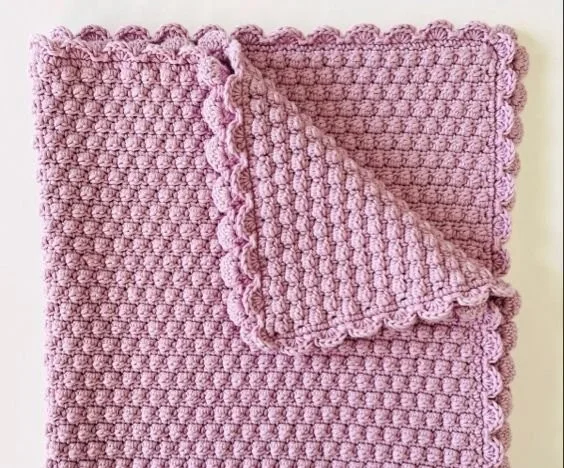
Berry Blossom Crochet Baby Blanket
The Crochet Berry Blossom Baby Blanket is a sweet, floral-inspired project with a soft, cheerful look that suits nurseries, baby showers, and thoughtful handmade gifts. Its repeating design makes it enjoyable to work on while helping crocheters practice consistent tension, pattern recognition, and neat color changes. It is a lovely project for a relaxing weekend of crochet or a longer-term handmade gift.
Why you’ll love this pattern
This baby blanket has a charming botanical feel without being overly complicated. The berry blossom design adds visual interest, while the blanket format allows you to settle into a steady crochet rhythm after the first few repeats.
It is especially appealing if you enjoy:
- Making meaningful handmade baby gifts
- Practicing repeated stitch patterns
- Working on a portable project
- Exploring soft, nursery-friendly color palettes
- Creating a useful piece of handmade home décor
- Customizing a blanket with different colors or edging styles
The finished blanket can become a treasured keepsake, a stroller blanket, or a cozy layer for supervised snuggles.
“The blossom pattern made the blanket feel much more special than a basic stripe, but the repeat was easy to remember once I got started. It was relaxing to crochet and turned out beautifully.”
How this crochet pattern comes together
The Crochet Berry Blossom Baby Blanket is built in repeating rows or pattern sections that create the berry-and-flower-inspired surface. You will work across the blanket, following the stitch repeat carefully and turning at the end of each row as directed.
The main challenge is maintaining the correct stitch pattern and keeping the edges even. Depending on the original stitch design, the pattern may involve combinations of basic stitches, increases, decreases, or clusters to create the blossom texture. Read each row fully before beginning, particularly where the pattern changes direction or includes shaping.
This project is best suited to a confident beginner or intermediate crocheter. Someone familiar with basic crochet stitches, turning chains, counting, and weaving in ends should be able to follow it comfortably. The completion time will depend on the finished size, yarn weight, hook size, and your crochet speed.
Materials you’ll need
The source information does not include a specific materials list. Before beginning, gather the supplies specified by the original pattern designer, including:
- Yarn in the recommended weight and fiber
- Crochet hook in the recommended size
- Scissors
- Yarn needle for weaving in ends
- Measuring tape
- Stitch markers, if needed
- A row counter or notebook for tracking progress
For a baby blanket, soft washable yarn is generally the most practical choice. Acrylic, cotton, or a washable acrylic blend can be suitable, but always check the yarn label for softness, washing instructions, and colorfastness.
If you substitute yarn, choose a similar weight and work a gauge sample first. A different yarn thickness or hook size can change the blanket’s dimensions, drape, texture, and yarn requirements.
Pattern instructions
The complete stitch instructions and material details were not included in the source content. Use the original designer’s pattern for the exact foundation chain, stitch sequence, row repeats, joining instructions, and finishing directions.
For the smoothest experience, follow this workflow:
- Read through the complete pattern before crocheting.
- Confirm the recommended yarn weight and hook size.
- Make a gauge swatch if the finished dimensions matter.
- Work the foundation chain carefully and count it twice.
- Complete the first row, checking that every stitch is worked into the correct loop.
- Turn exactly as instructed at the end of each row.
- Repeat the berry blossom section while checking your stitch count regularly.
- Place stitch markers at the beginning or end of rows if the edges are difficult to identify.
- Continue until the blanket reaches the size specified in the original pattern.
- Finish with the stated border or edging, if one is included.
- Fasten off securely and weave in all yarn ends with a yarn needle.
- Gently block the blanket if needed to even the edges and define the pattern.
Do not rely on appearance alone when checking your work. Textured stitches can make it difficult to see individual loops, so counting the repeat periodically is more reliable than correcting a problem several rows later.
Ways to use your finished project
A completed Berry Blossom Baby Blanket makes a thoughtful handmade gift for:
- Baby showers
- Newborn celebrations
- First birthdays
- Nursery décor
- Grandparent gifts
- Handmade keepsake collections
It can be folded over the back of a nursery chair, placed at the foot of a crib for decorative purposes, or used as a supervised lap blanket. For safety, do not leave loose blankets, yarn ends, or soft items with an unattended sleeping baby.
If you make several blankets in coordinated colors, they could also work well as handmade market or craft-fair items, provided the original designer’s usage terms allow finished items to be sold.
How to care for your crochet project
Always follow the care instructions on the yarn label, especially if the fiber is unknown. Baby blankets benefit from gentle handling and thorough drying.
- Wash using the recommended water temperature.
- Choose a gentle or delicate cycle when machine washing is permitted.
- Use mild detergent and avoid harsh bleach unless the yarn label specifically allows it.
- Support the blanket while it is wet so the stitches do not stretch.
- Reshape it gently and dry it flat.
- Avoid hanging the blanket, as its weight can pull the fabric out of shape.
- Keep dark and light colors separate during the first few washes if color bleeding is possible.
- Store the blanket clean and completely dry in a breathable space.
- Avoid compressing it tightly for long periods, which can flatten textured stitches.
If the blanket has a decorative edging or appliqués, inspect those areas occasionally and repair loose threads promptly.
Helpful crochet tips
- Count the foundation carefully. A missed chain can shift the entire blossom repeat.
- Mark the first stitch. This is especially useful when the edge stitch is easy to overlook.
- Check the edges every few rows. Accidental increases often happen when crocheters work into the turning chain twice.
- Keep your tension relaxed. Tight tension can make the blanket stiff and cause the edges to curl.
- Use consistent turning chains. Follow the pattern’s instructions rather than automatically assuming every turning chain counts as a stitch.
- Track repeats. Mark completed sections in a notebook so you do not lose your place.
- Fix mistakes early. A small error in a floral repeat can become much harder to correct after several rows.
- Secure color changes neatly. Leave enough yarn for weaving in, but avoid creating bulky knots.
- Weave in ends in several directions. This helps prevent the ends from working loose during washing.
- Block gently. Blocking can improve edge alignment, but excessive stretching may distort the blossom motif.
Customize your project
There are several safe ways to personalize the blanket while keeping its main design intact:
- Use soft pastels for a traditional nursery palette.
- Choose cream, sage, dusty rose, or muted blue for a modern look.
- Work the blossoms in a contrasting shade so the motif stands out.
- Add a simple border in the main color for a tidy finish.
- Use a contrasting border to frame the blanket.
- Adjust the blanket width by adding or removing complete pattern repeats.
- Adjust the length by working more or fewer full row repeats.
- Add a narrow textured edging if the original pattern does not already include one.
- Create a coordinating burp cloth, lovey, or small cushion cover using the same colors.
Size adjustments should be made in full pattern repeats whenever possible. Changing the stitch sequence partway through a repeat can interrupt the blossom design. Using thicker yarn or a larger hook will usually create a larger, heavier blanket, while thinner yarn or a smaller hook may produce a smaller and denser fabric.
Common crochet questions
Is the Berry Blossom Baby Blanket beginner-friendly?
It is likely suitable for a confident beginner if the pattern uses familiar stitches and clearly explains its repeat. Beginners should be comfortable with foundation chains, turning rows, counting stitches, and weaving in ends.
What yarn works best for a baby blanket?
Choose a soft yarn that is comfortable against delicate skin and easy to wash. Washable acrylic, cotton, and acrylic blends are common choices. The best option is the fiber and weight recommended by the original pattern.
Can I use a different hook size?
You can, but it may change the blanket’s size, drape, texture, and yarn consumption. A larger hook usually creates a looser fabric, while a smaller hook creates a denser fabric. Make a gauge swatch before committing to a substitution.
How long will this blanket take to crochet?
The source does not provide an exact completion time. The total depends on the blanket’s dimensions, stitch complexity, yarn weight, hook size, and your individual crochet speed.
How can I make the blanket larger or smaller?
Adjust the width by adding or removing complete pattern repeats in the foundation chain, if the stitch multiple allows it. Adjust the length by working more or fewer full repeats. Check the original pattern before changing the starting chain.
Why are my blanket edges curling?
Curling can result from tight tension, an unsuitable hook size, or the natural behavior of the stitch pattern. Try loosening your tension, checking your gauge, and confirming that you have not missed or added edge stitches. Gentle blocking may also help.
How do I keep the edges even?
Count the stitches at the end of each row and identify the first and last stitch clearly. Use stitch markers at the row edges and make sure the turning chain is handled exactly as the pattern specifies.
How should I wash the finished blanket?
Follow the yarn label. If the yarn allows machine washing, use a gentle cycle and mild detergent. Otherwise, hand wash in cool or lukewarm water, reshape the blanket, and dry it flat.
How much yarn do I need?
The required amount depends on the finished dimensions, yarn weight, stitch pattern, hook size, and color arrangement. Use the original pattern’s yarn estimate whenever available and purchase extra if working with dye-lot-sensitive colors.
Can I sell blankets made from this pattern?
The source information does not state the designer’s selling policy. Check the original pattern’s usage terms before selling finished items, and do not redistribute or publish the written pattern itself.